Research
Andy Warhol
I listened to around 15 hours of history about the artistic career of Andy Warhol, so much so that it's entirely changed my opinions and perceptions of the man personally, and of art as a whole. I do imagine this is important to mention since my art will be a bit different moving forward. I won't be so fast from now on to disregard artists and methods of art. Everything must be considered.
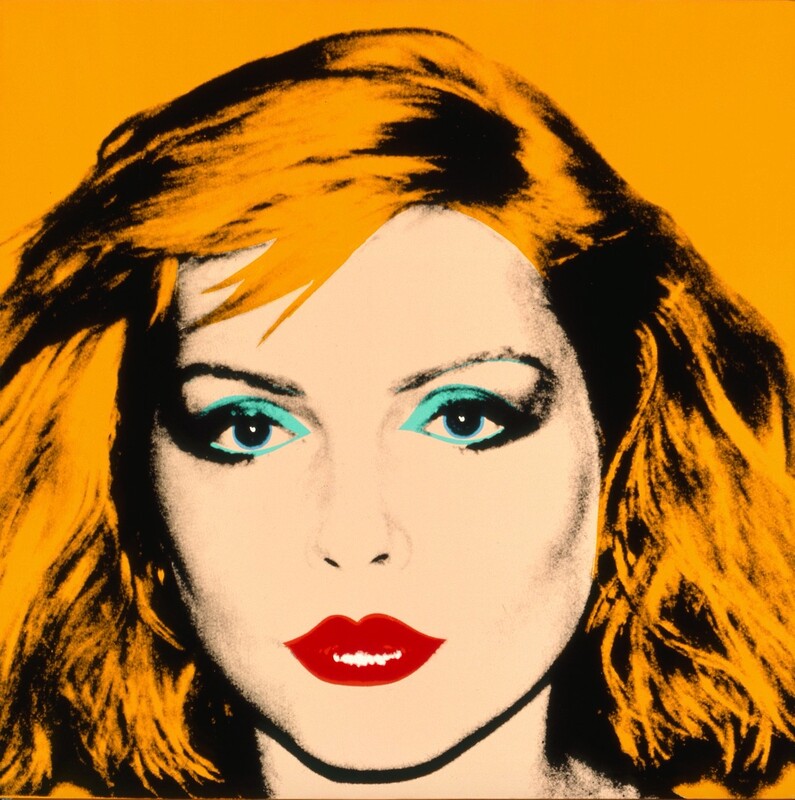
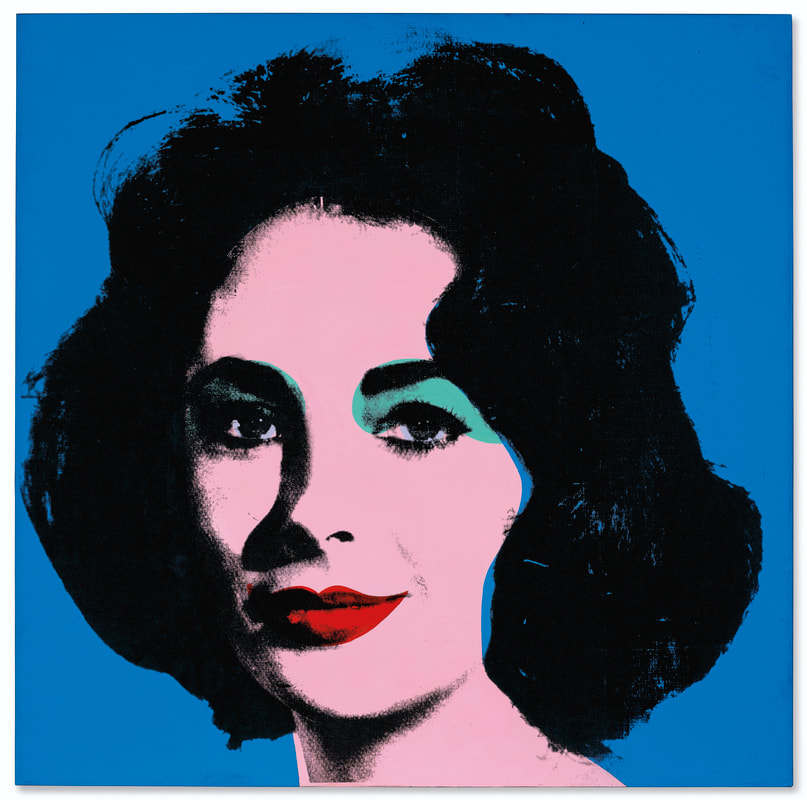
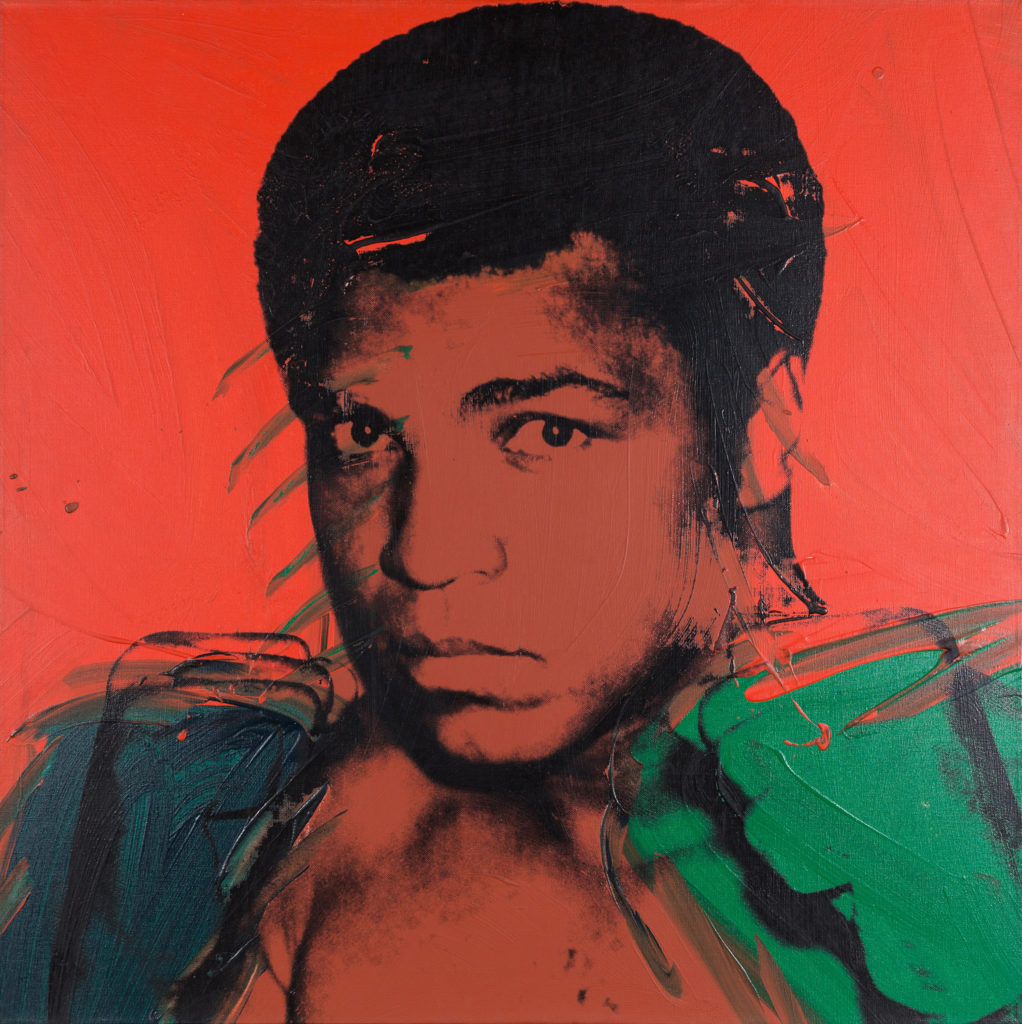
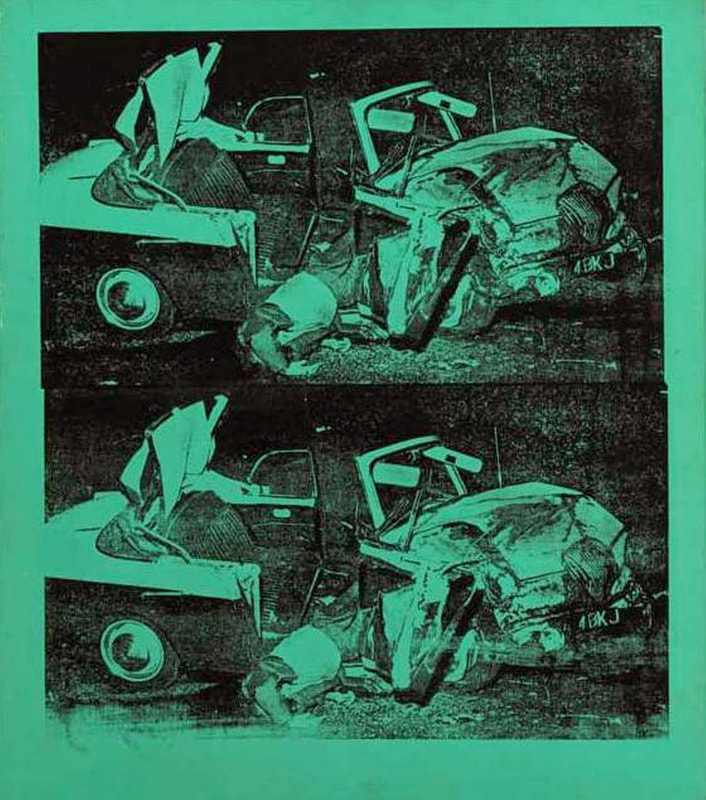
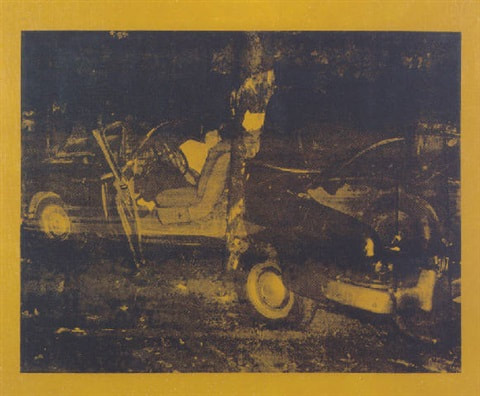
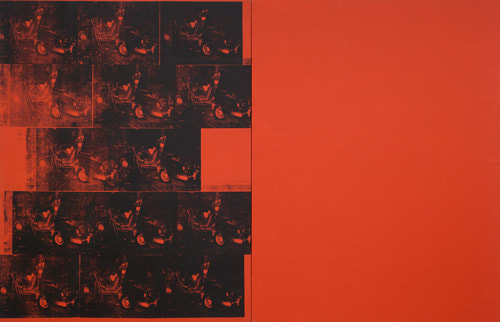
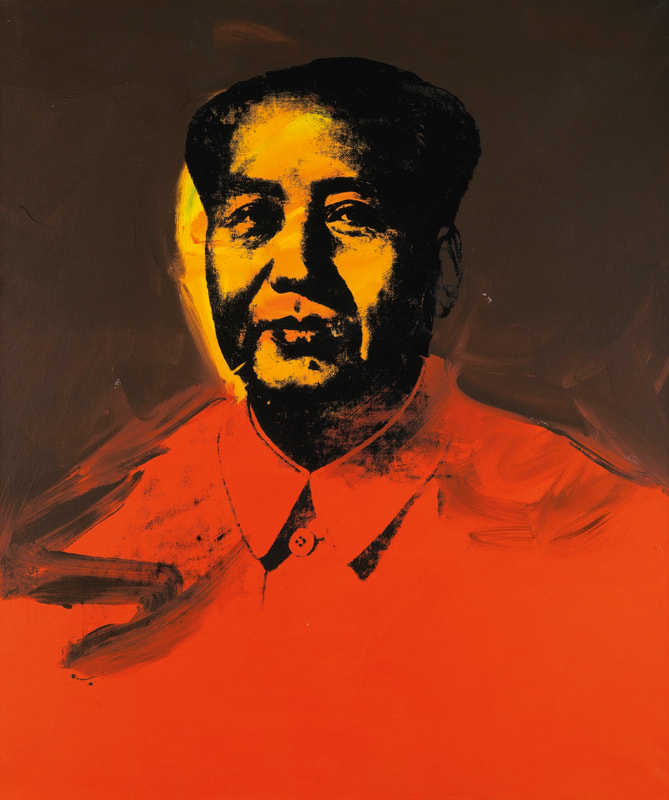
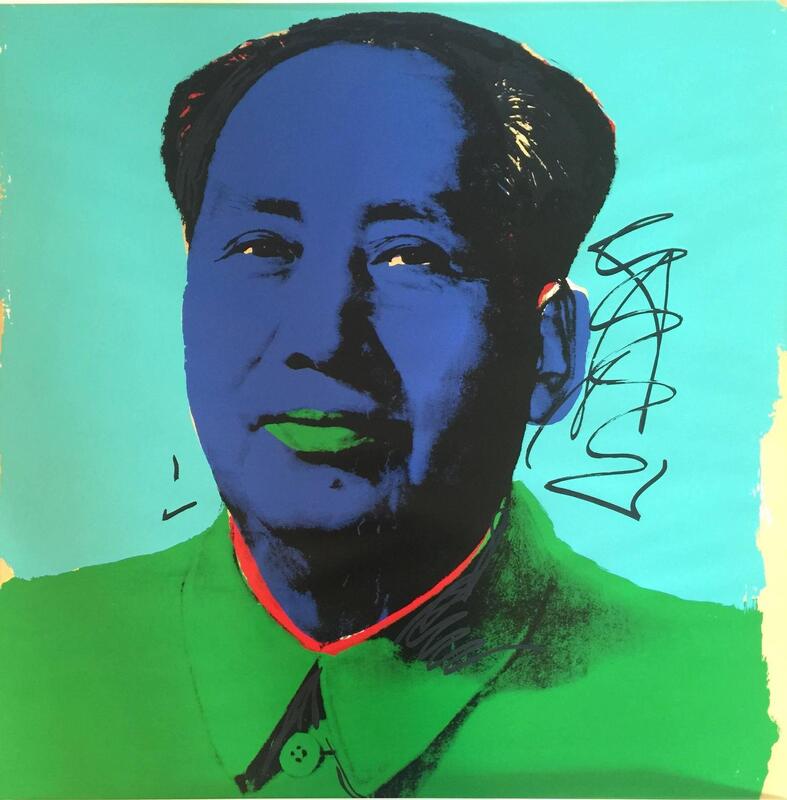
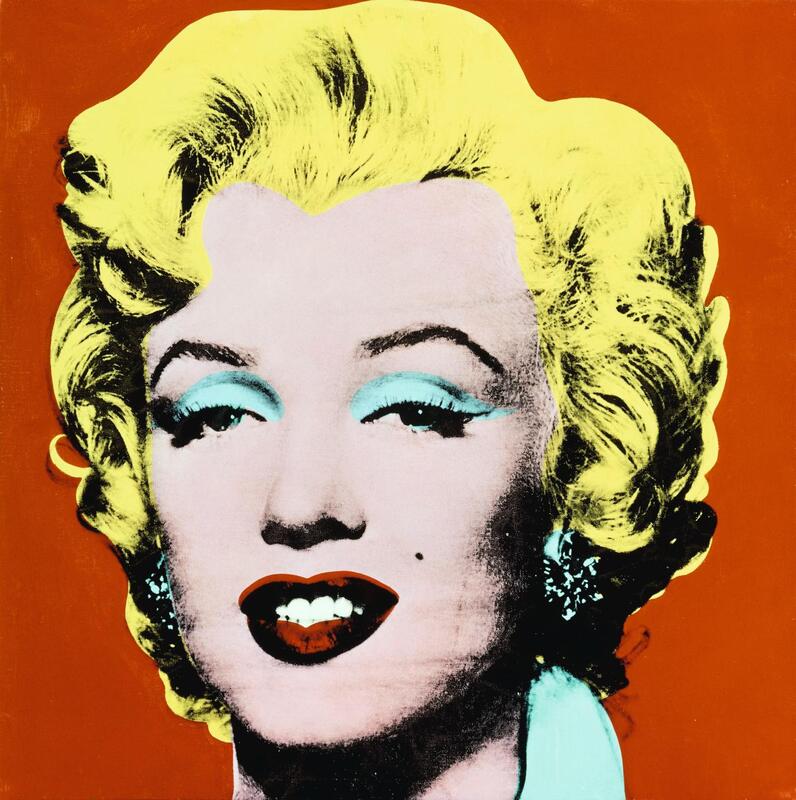
I found the colors interesting, how he made all these works of celebrities, then years later made one of Mao. Very consciously saying Mao was just another celebrity, making him as an artwork a capitalist product to be bought and sold. Probably a comment about the subversive nature and power of western commerce. it is consciously a critique of Mao and the west's adoration of celebrities. In the east, they had to force people to have pictures of Mao. Here, we clamored to own them because they were Warhol with value. It's interesting to think about. He also had a series which were car crashes in colors. meant as things to hang-up in your home on your walls. It's a statement about how shallow and detached we've become. How nihilistic and uncaring. I don't think he's saying these things to scold us. I think he's recognizing these things within himself. He's not angry, he's understanding and maybe even shares these faults. Understanding how Warhol thought of images and his creativity on being able to point a mirror to the west: It's been fascinating. And it all began from commercial fashion sketches.
Julius Evola
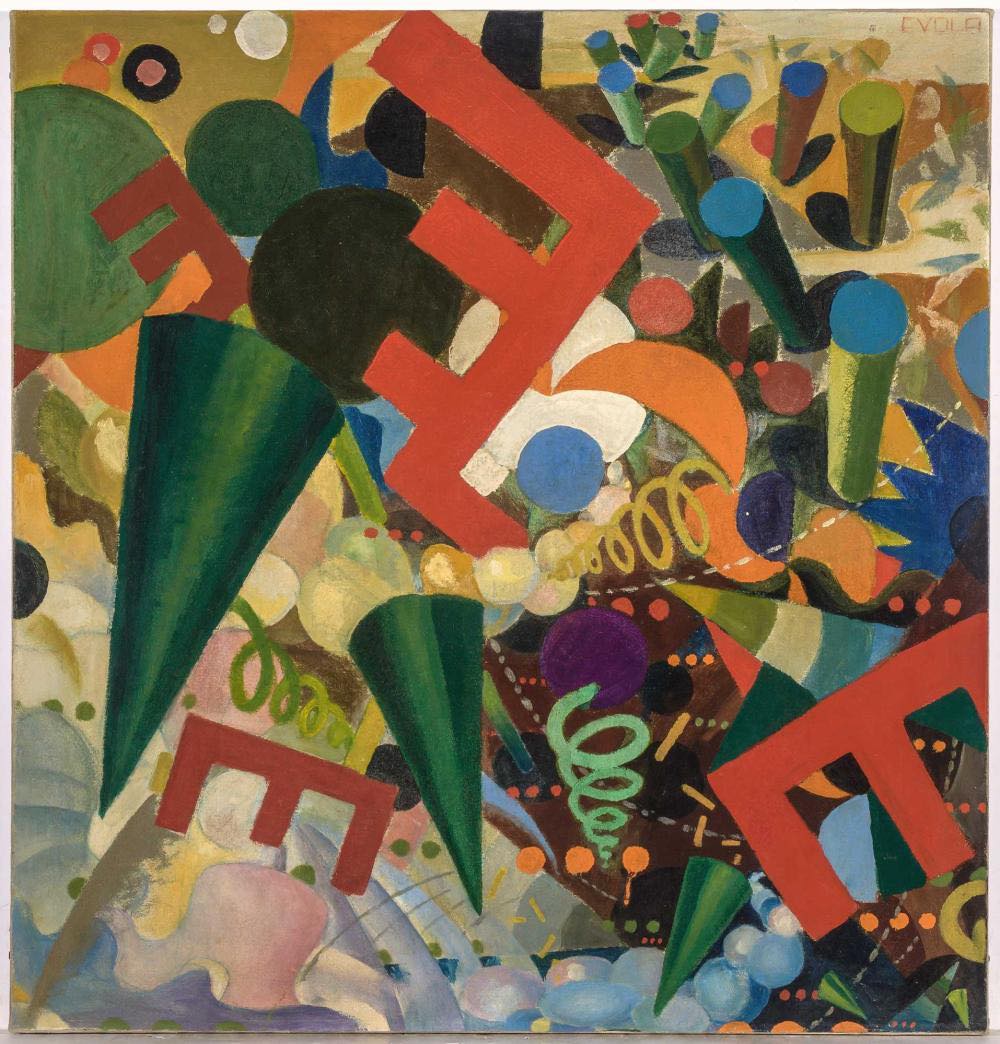
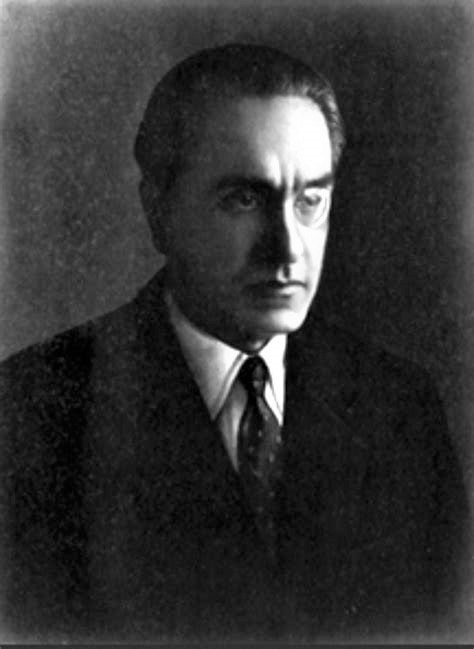
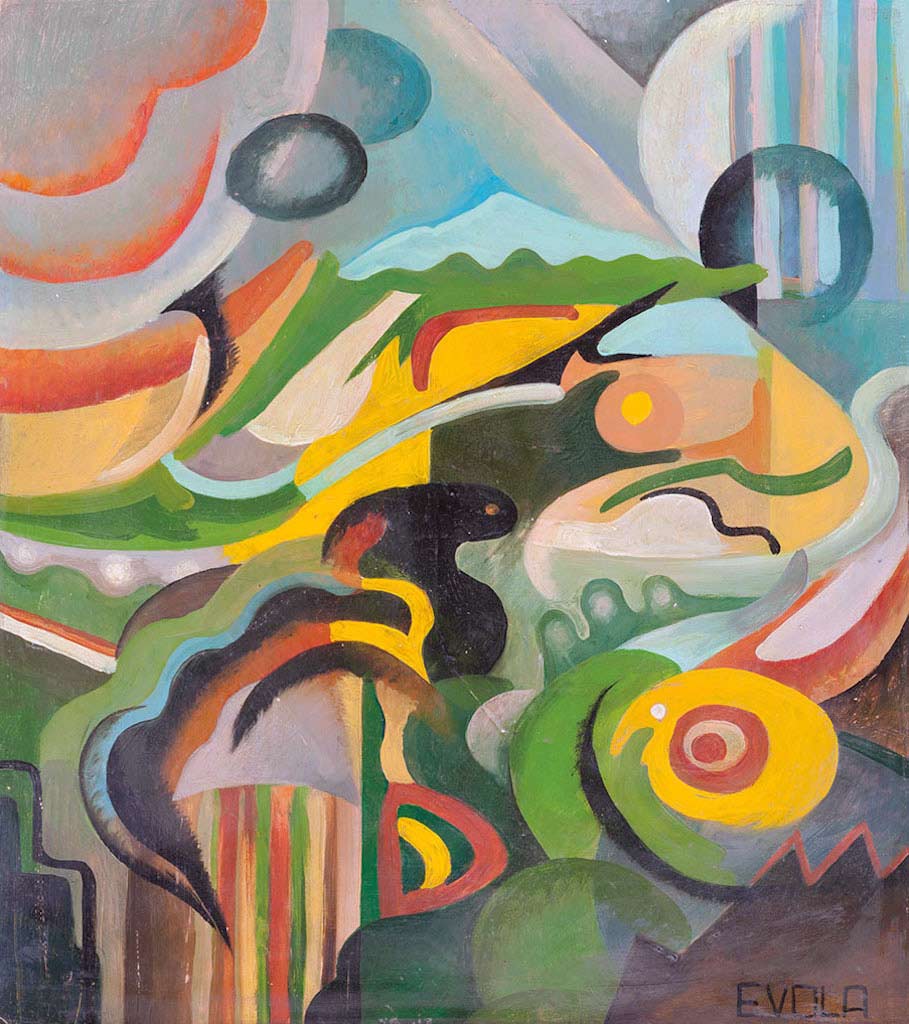
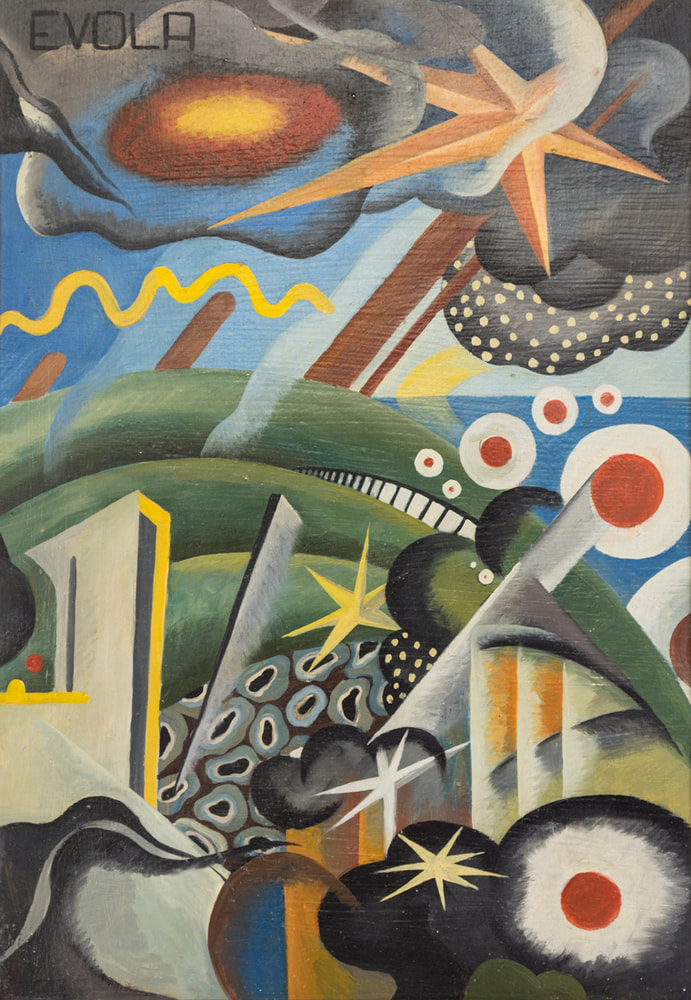
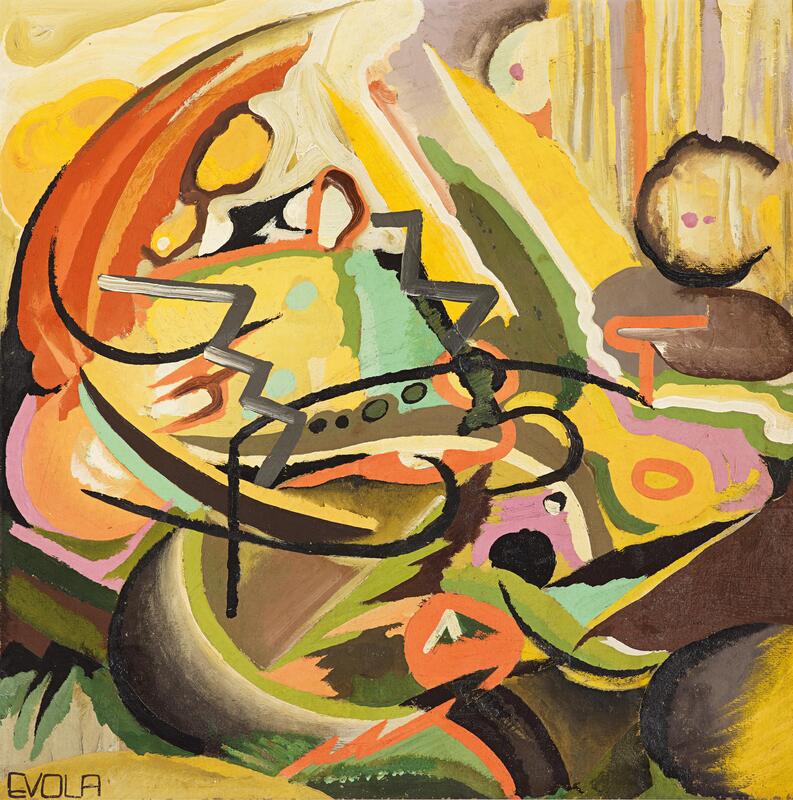
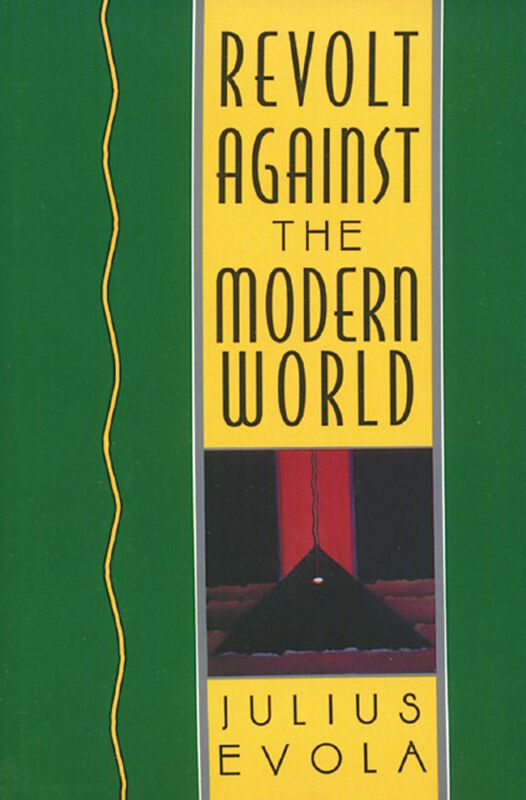
I've gotten interested in the literary work and paintings of Julius Evola, a controversial traditionalist who made cool Art deco, futurist and Dadaist paintings. His paintings are meant to put forth (in my opinion) some ideas which are in his book, such as the idea that the Warrior-Priest alliance class will return to power and restore the Inner greatness of Europe. Him believing that the current liberal order was an alliance of Peasants and Merchants to my understanding. It could juts be a stylistic rendition of modern privative painting. Trying to find something spiritually transcendent. Or perhaps it's an illustration of the chaos and moral mess he perceived the west had become. His ideas have greatly interested me.
Architecture
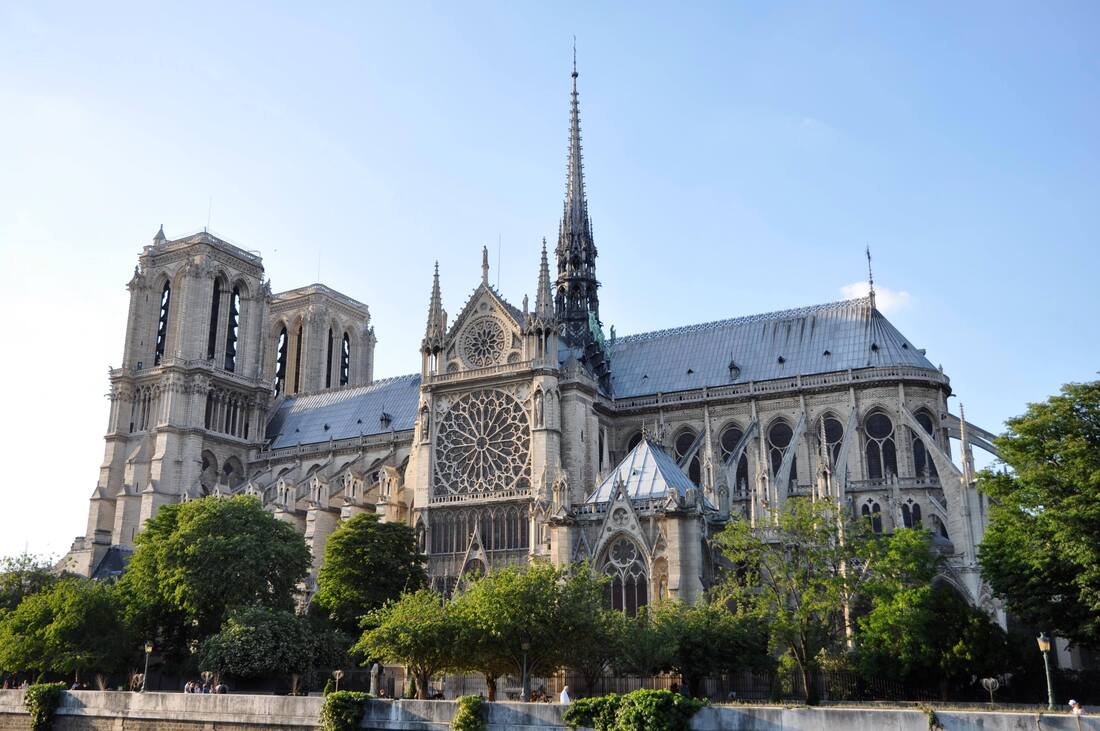
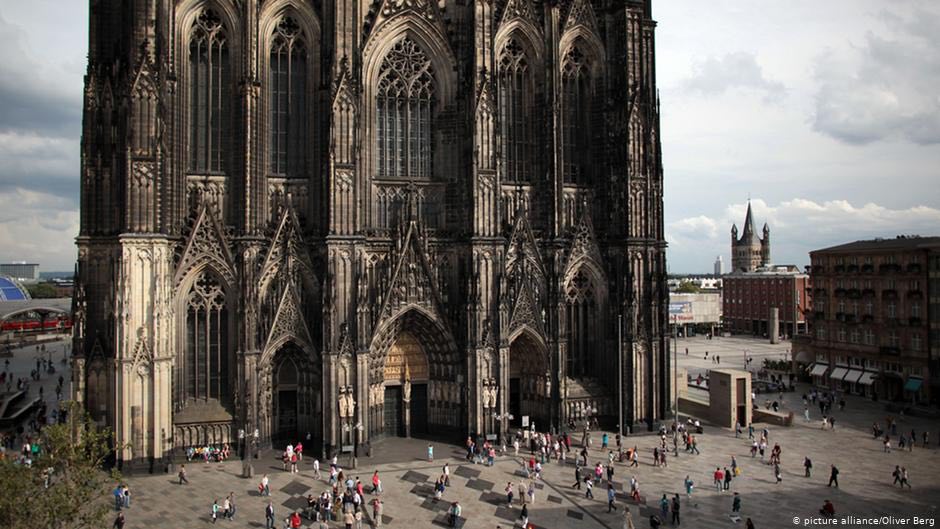
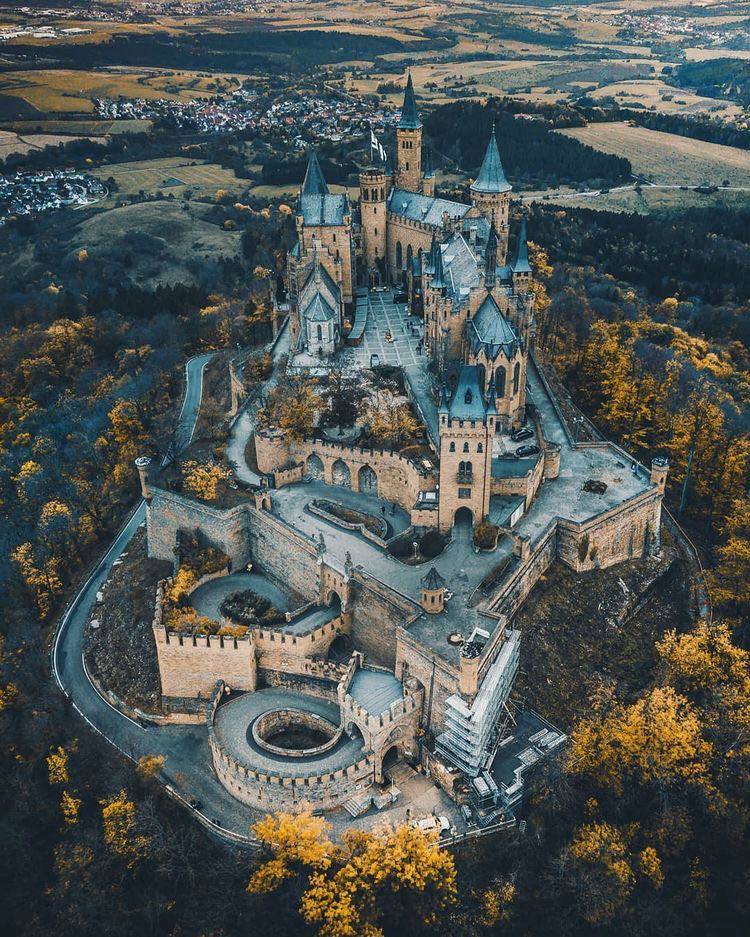
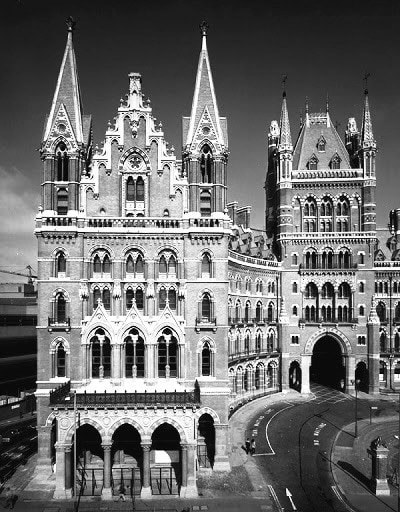
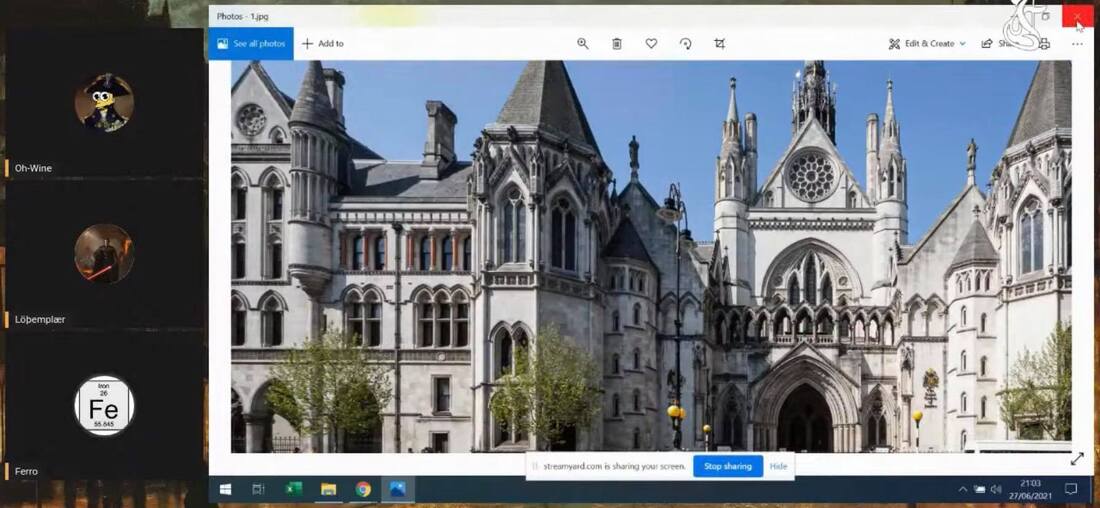
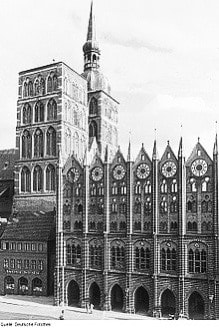
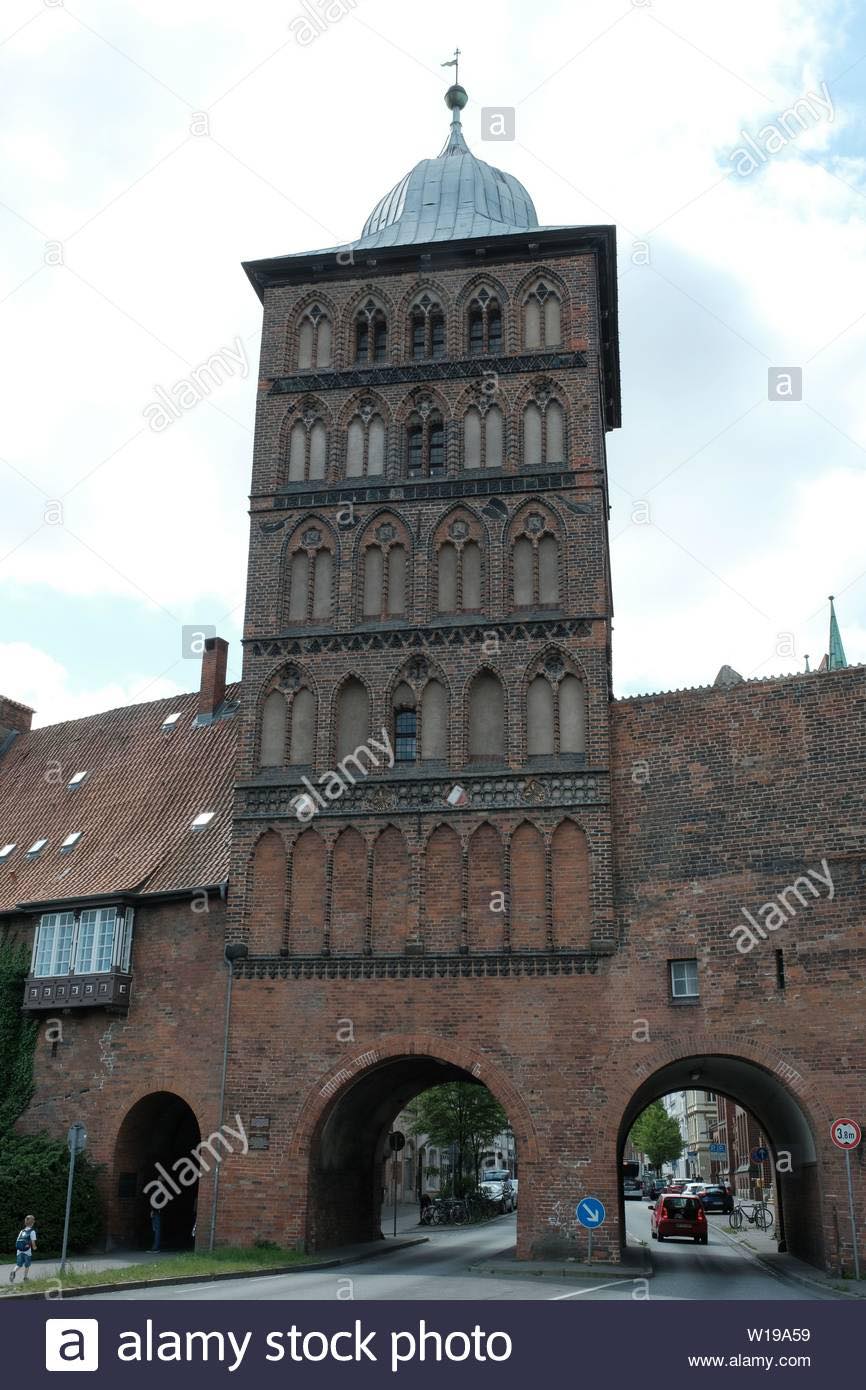
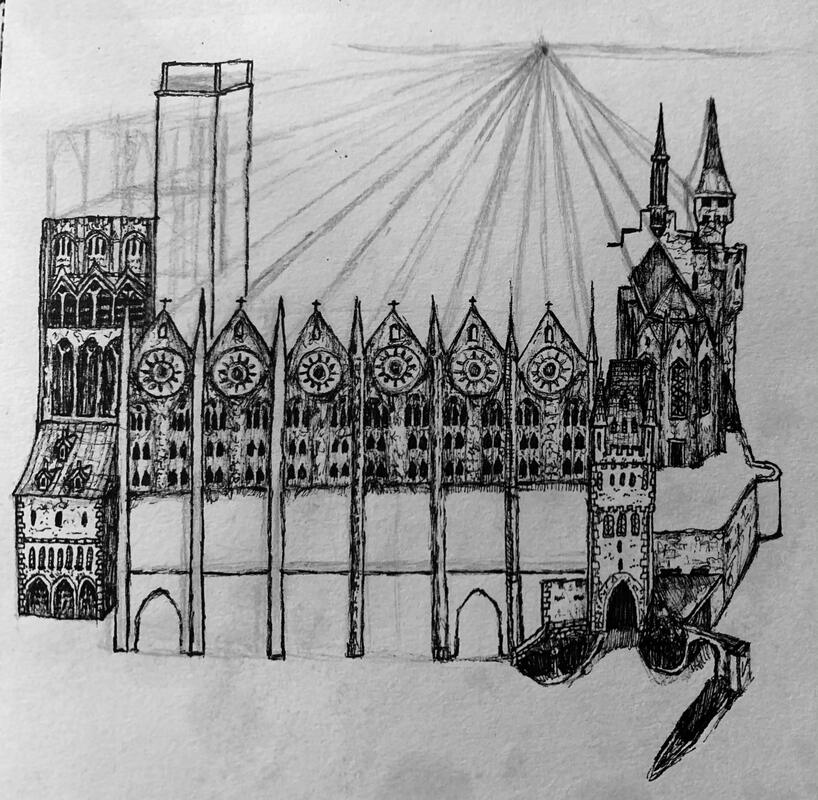
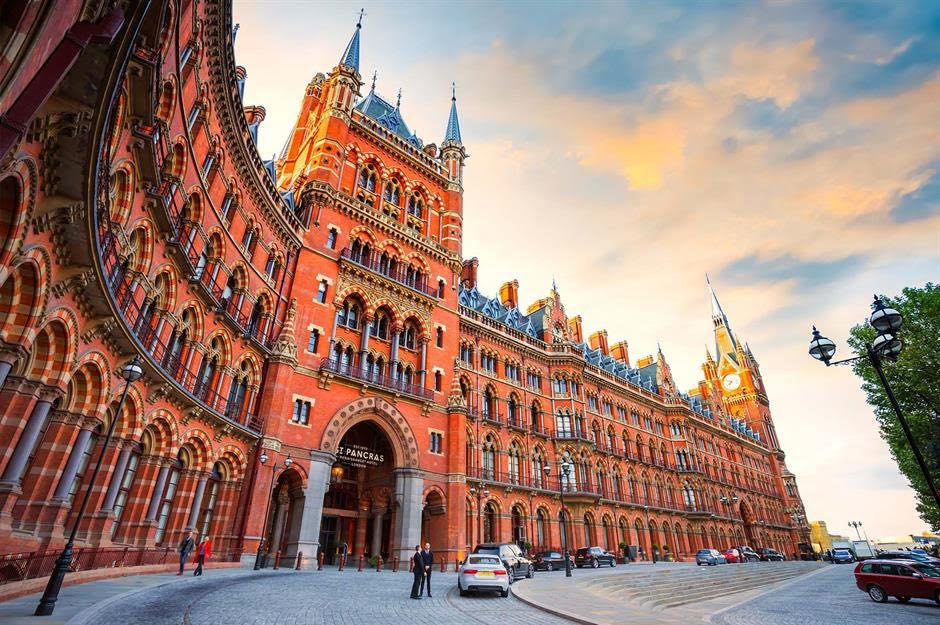
I've watched loads of podcasts on architecture, specifically renaissance gothic architecture, Hanseatic league architecture, Gothic architecture. I love how it took sometimes hundreds of years. Generations of people would have to build these. A mason passes his chisel to his son, and he then does to his son, and so fourth. A family lineage of carving out details in delicate, gigantic structures. So grand and great that it would overwhelm the people into believing in divinity and Christ. Think about that though. A cathedral is a monument to community working together shoulder to shoulder for generations. We don't do that anymore. Nothing is that long term anymore, everything is built on short term returns. A culture of High-Time Preference. Consumption in the here and now. I designed my own castle based on these designs.
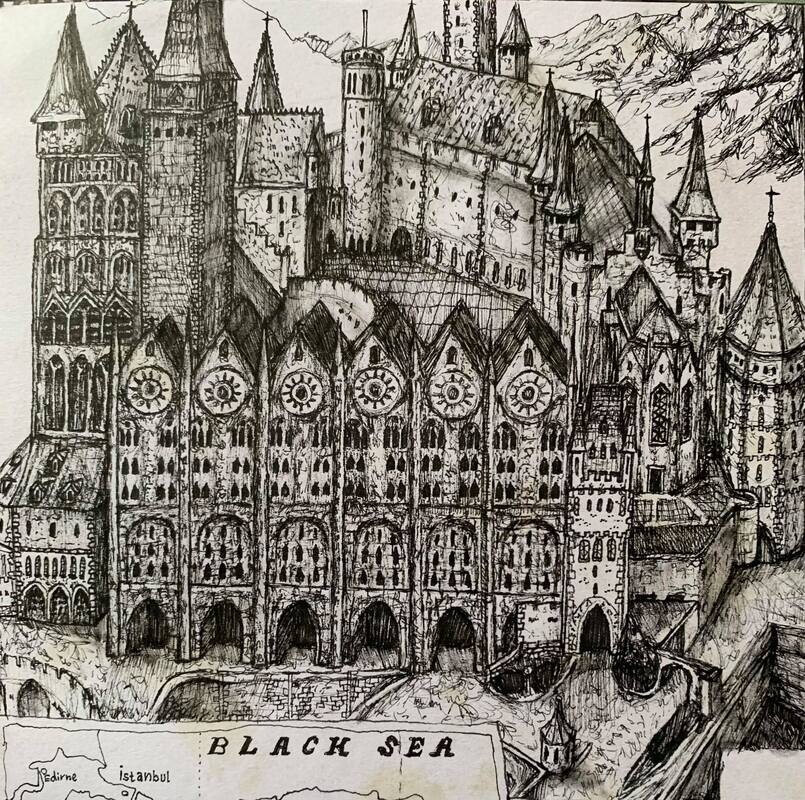
Medieval Art
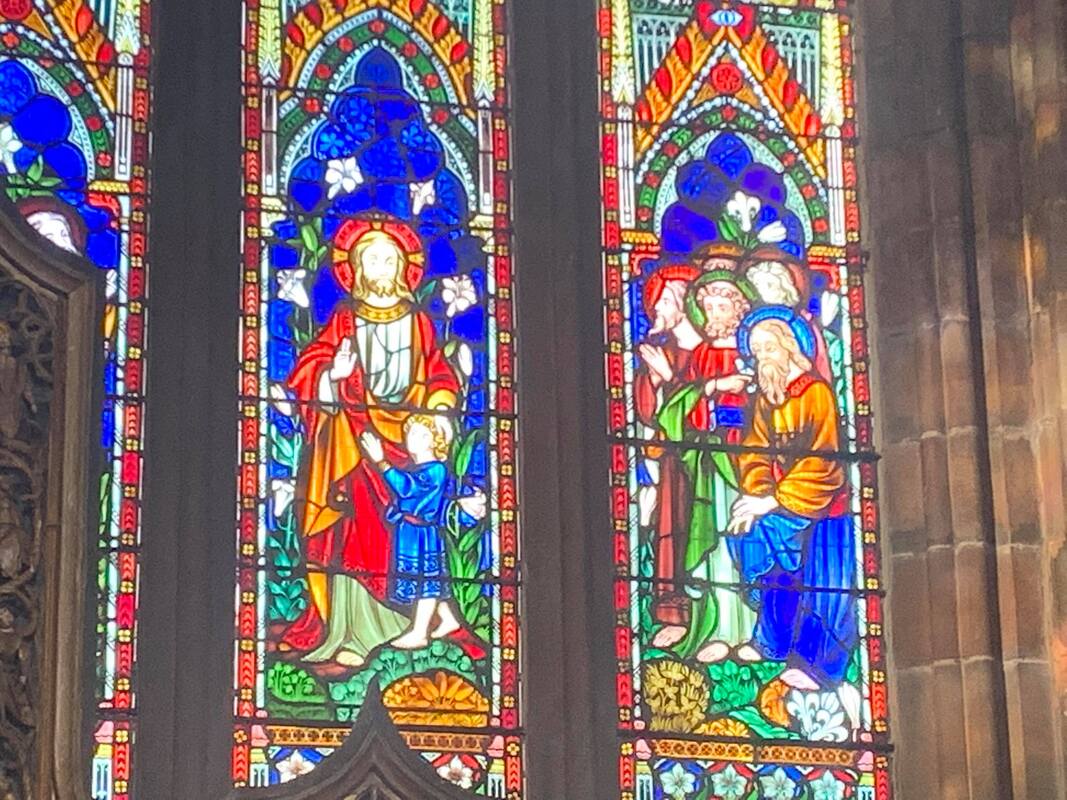
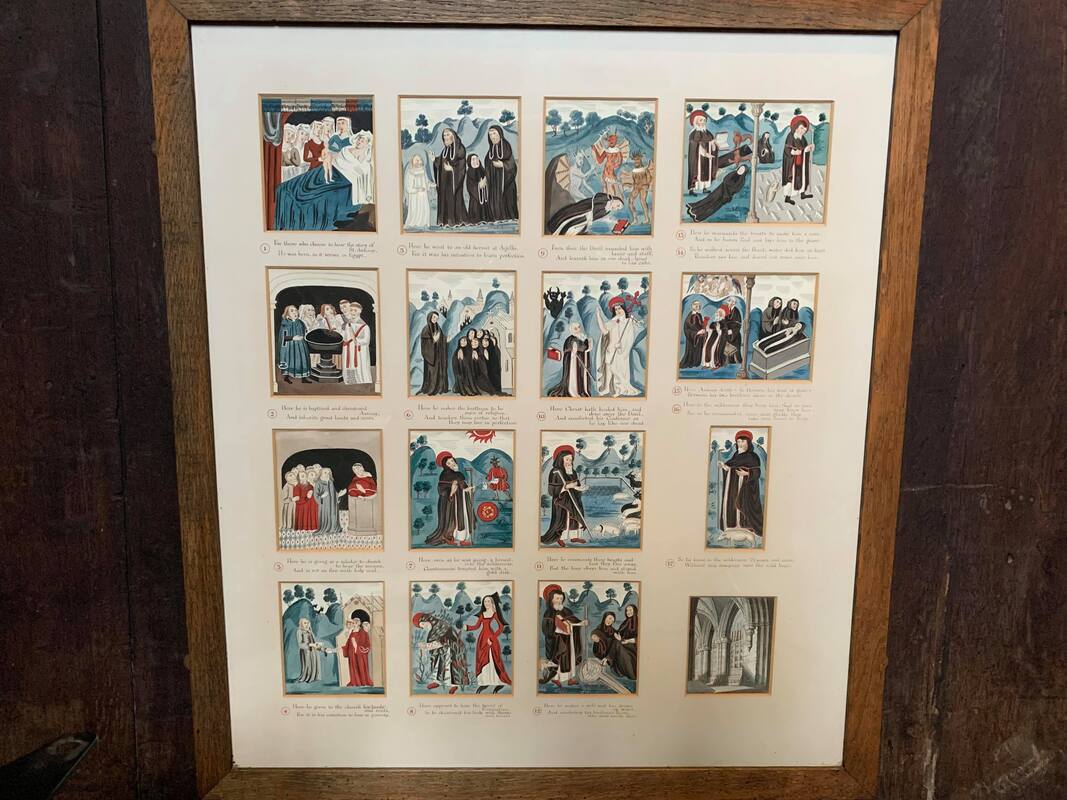
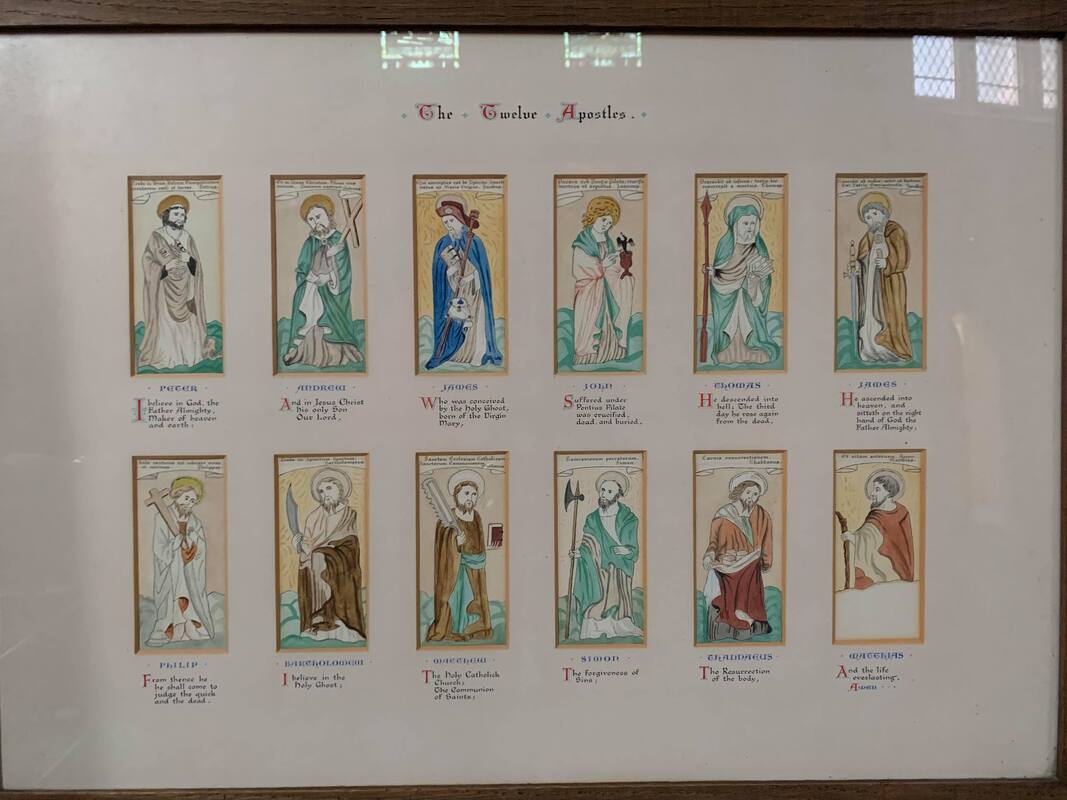
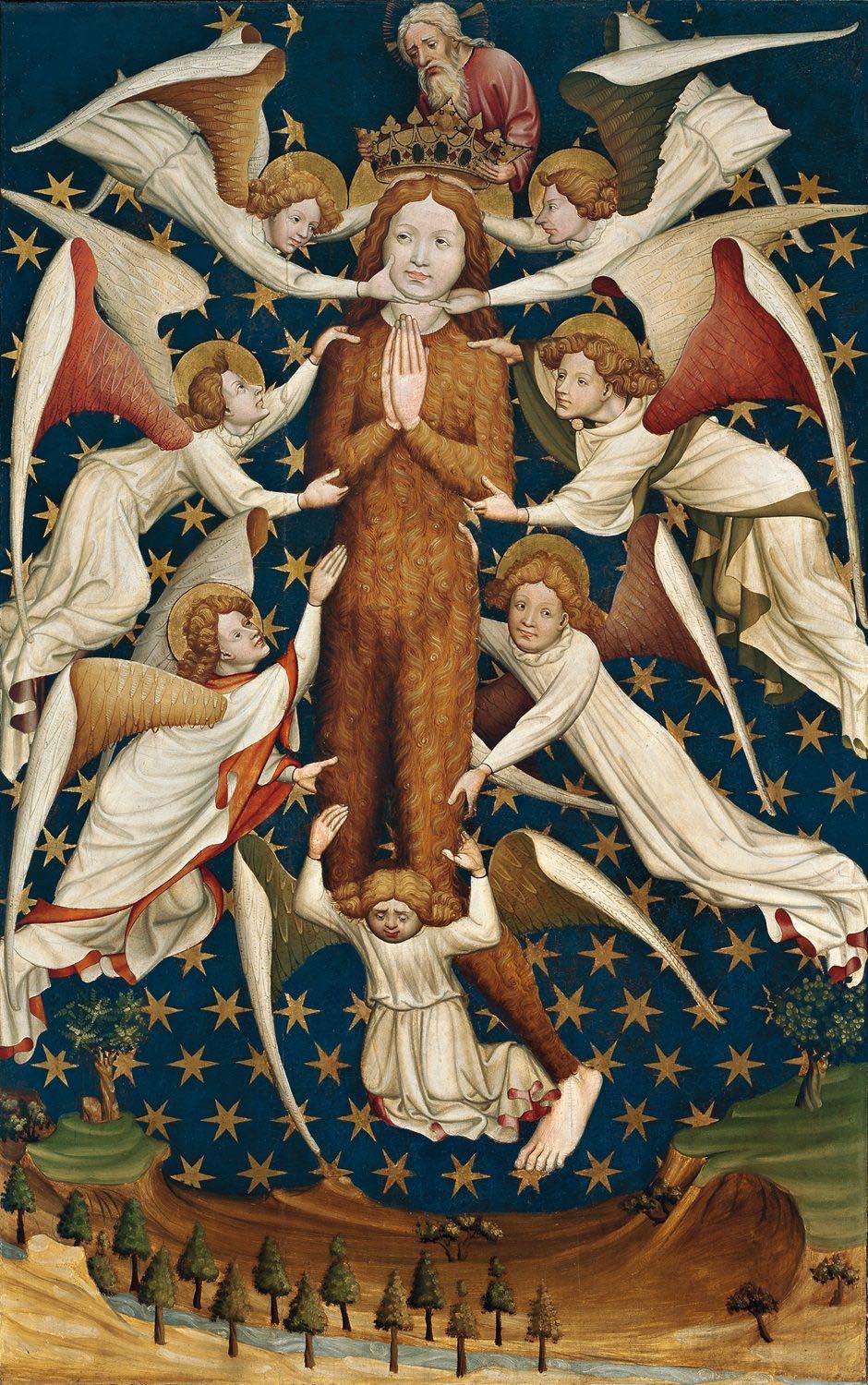
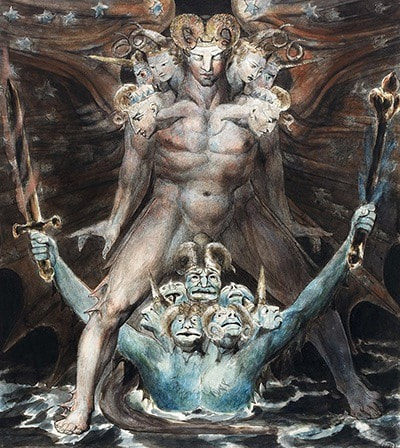
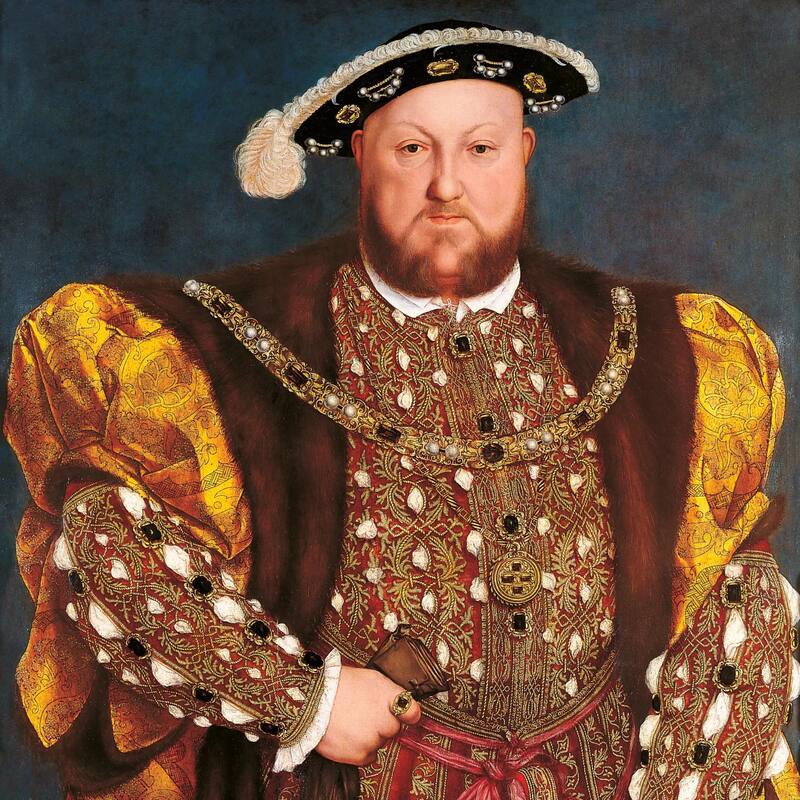
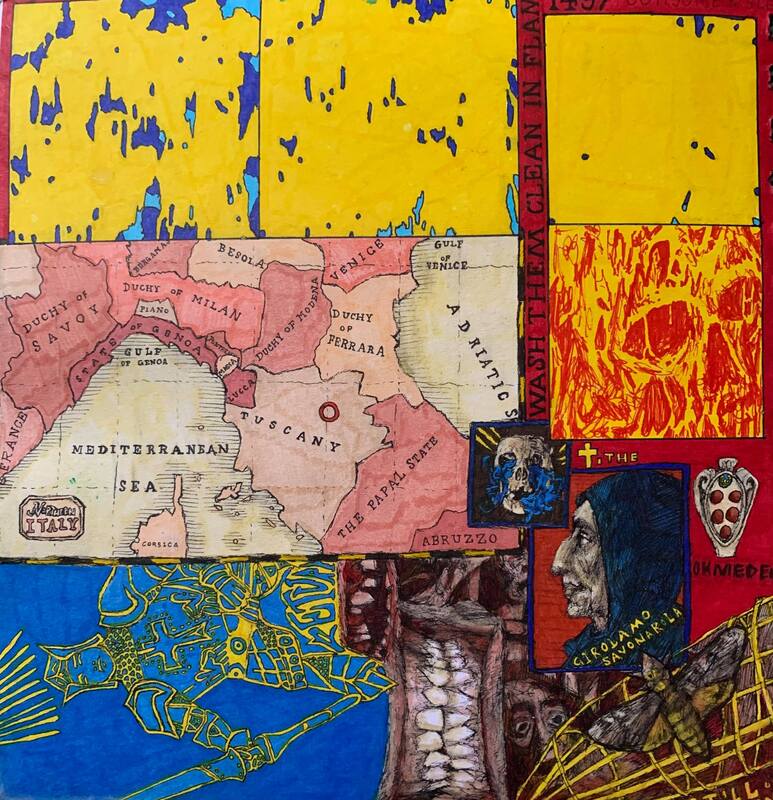
I went to the cathedral in Carlisle to explore this architectural interest and the want to explore tradition and old morality and culture due to Julius Evola. I found loads of little antiques and relics from the early middle ages, Modern illustrations which show clearly what old wood paintings were. I saw a beautiful painted ceiling and wonderful tinted glass art. this made me want to draw some religious art, delve more into medieval Christian art and perhaps even listen to the first testament so I could reach 'Revelations' since that part apparently has some pretty wild depictions of hellish creatures and predictions. I'd also go to listen to podcasts talking about the reformation, Henry the 8th, bloody Mary. and debates between Catholics and Protestants. I think Christianity is important in art since it's part of our history, it has symbols we all understand. The bible is one of our last unifying cultural texts. I could make art with symbolism taken from star wars or harry potter, but that would inevitably so modern, pro-corporate and leave a disgusting taste in my mouth. it's too pro pop-culture. I believe most of the heart of our modern tales are based in lies. I want something more ancient that's weathered time, transcendent that hits at something deeper. Certain techniques or ideas can be adopted from modern culture but something about finding an older example makes it more universal and beautiful. I found a medieval mythological tale which was basically the matrix but 600 years earlier. where a group of women offered this knight immortality for along as he stayed with them on this mountain. he'd have an inauthentic life of euphoria. all pleasures met forever. post-scarcity on this mountain which was sort of on another plain of existence like heaven. After a year he left this paradise, deciding that living an authentic life with struggle was better than an inauthentic life of euphoria. But how does he know he's left the mountain? maybe they simply let him believe he left because it's what brought him pleasure. definitely has some matrix-esque messaging.
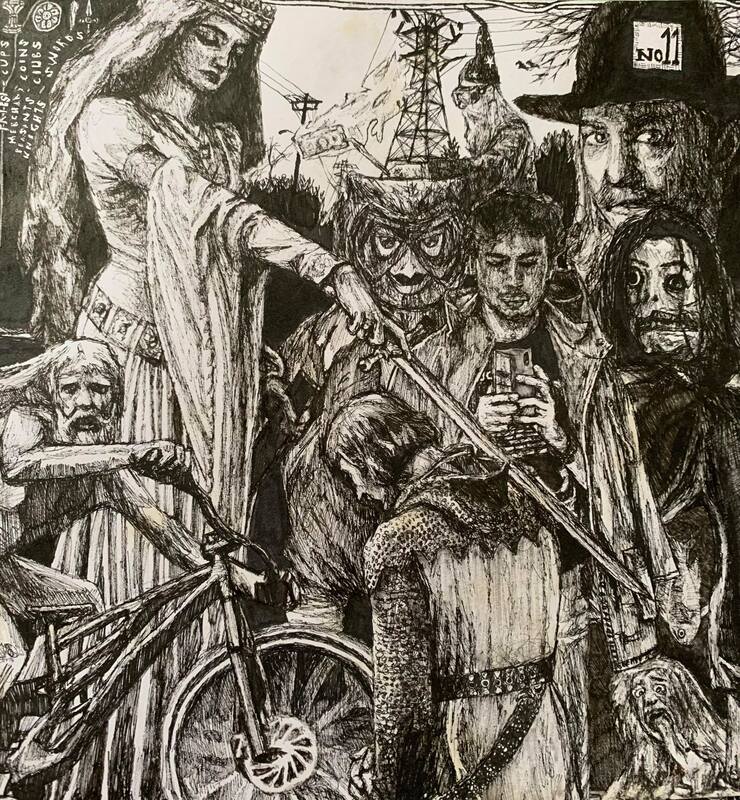
Bosch
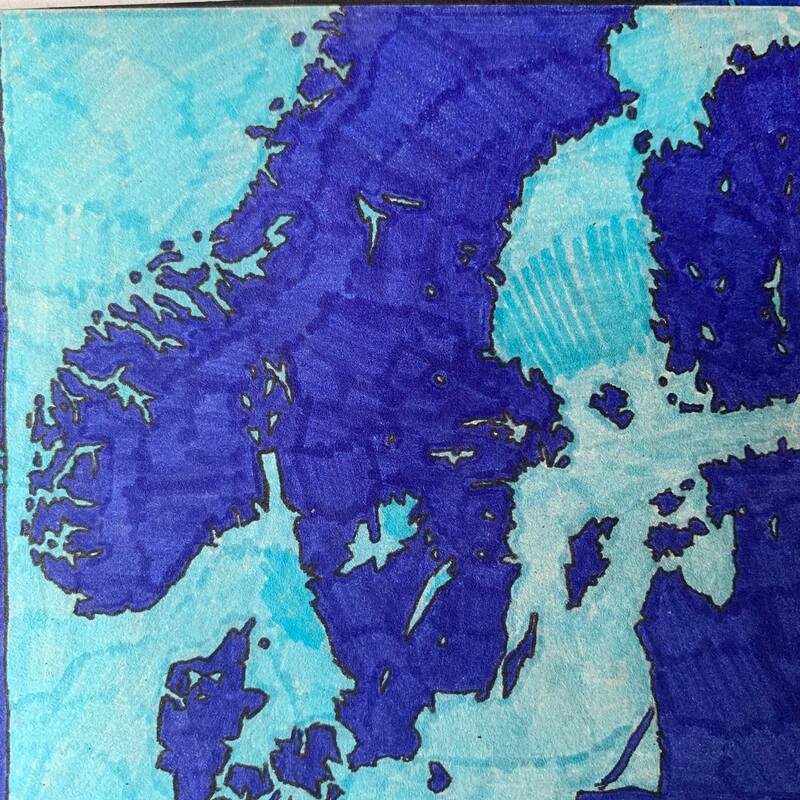
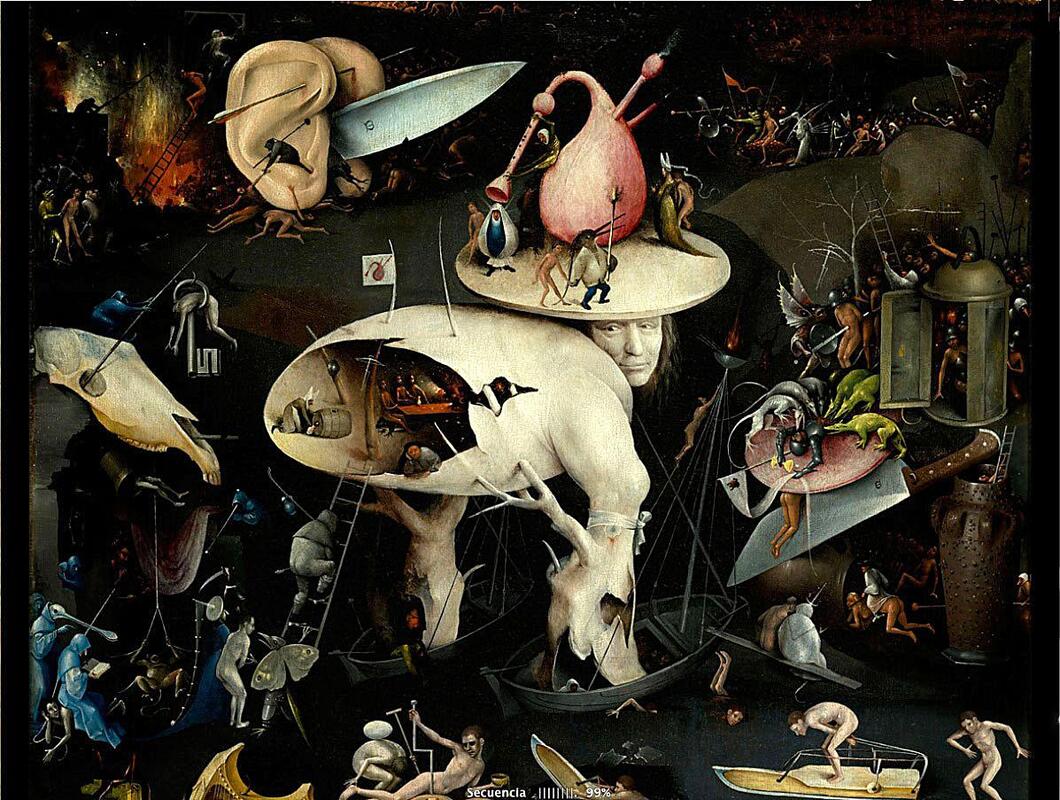
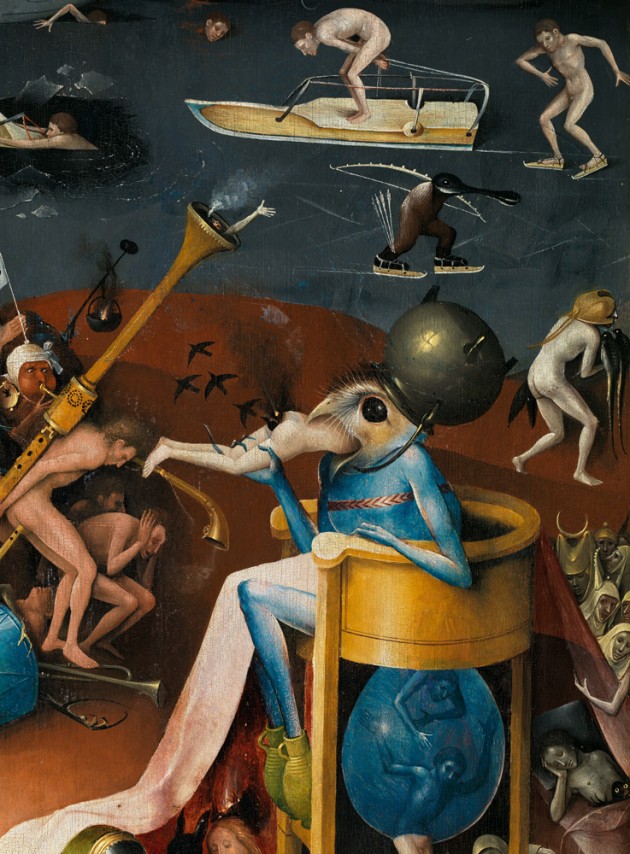
my interest in medieval art has lead me to Bosch, I've listened to at least 2 and a half hours of podcasts about him, I've borrowed a book from the library with many of his paintings in them, I've read a lot of it and tried to copy a lot of his drawings of nightmarish creatures in the hell scenes.
Pen and Ink Sketches
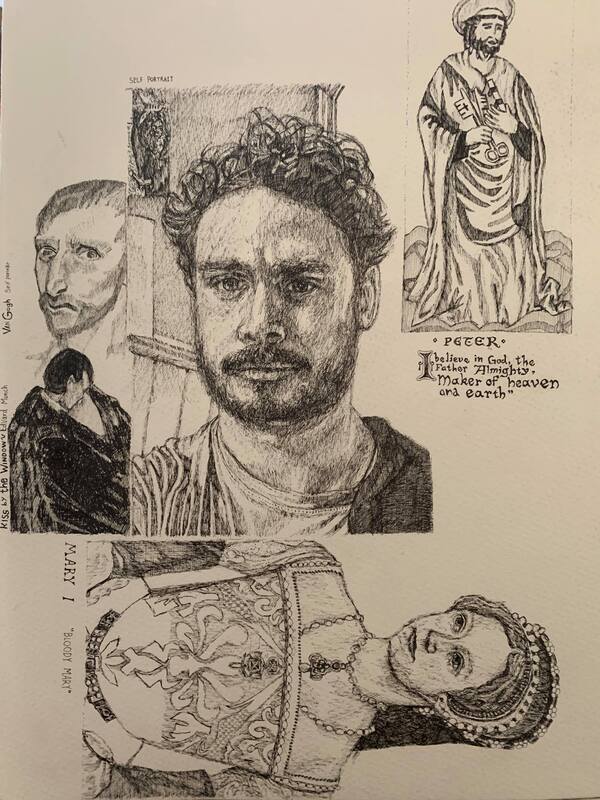
Edvard Munch,
Vincent Van Gogh,
Mary I (Bloody Mary),
Saint Peter.
Self Portrait
Vincent Van Gogh,
Mary I (Bloody Mary),
Saint Peter.
Self Portrait
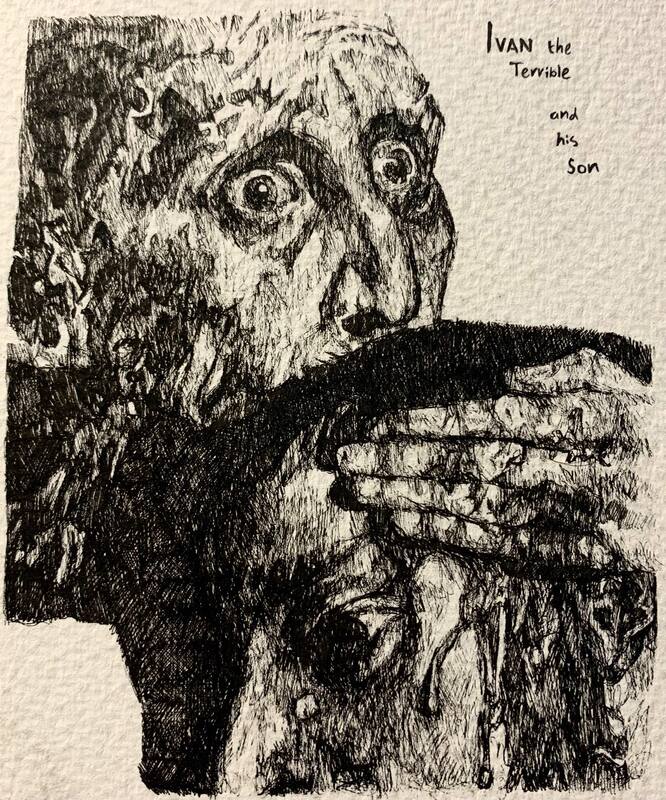
Close up of Ivan the terrible clutching his dead son.
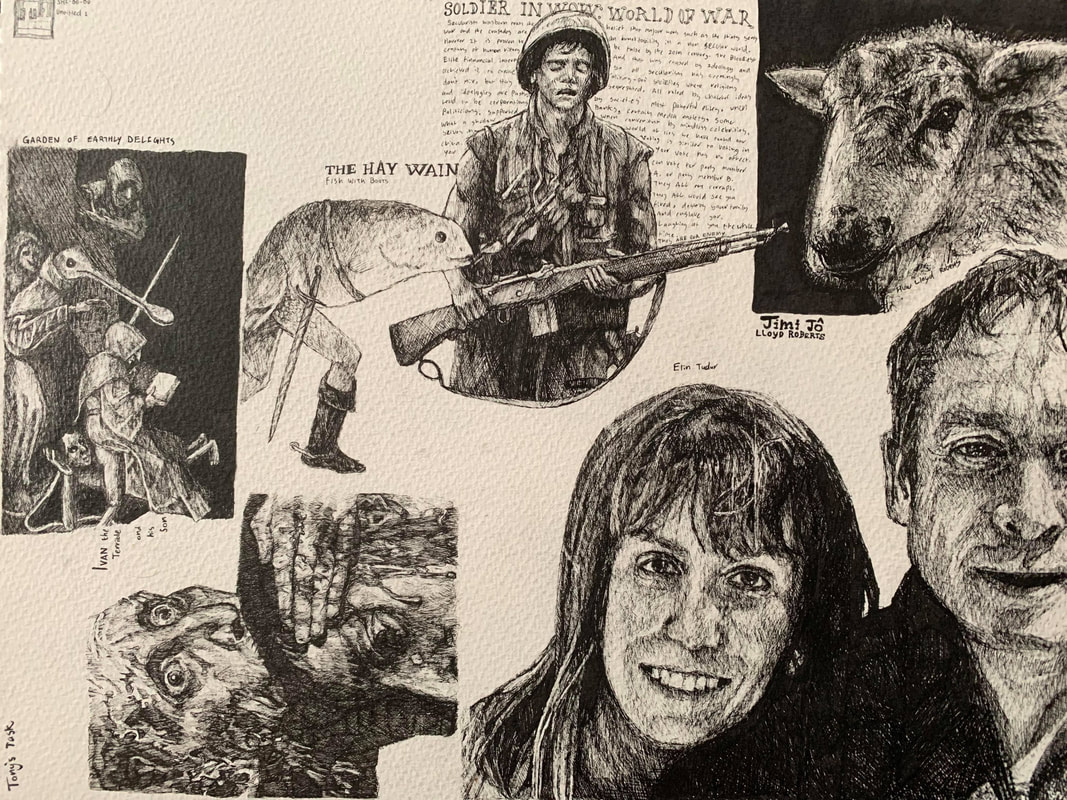
Ivan the Terrible,
Garden of earthly delights,
The Hay Wain,
My mum and dad,
My Sheep,
Soldier in a world of war.
Garden of earthly delights,
The Hay Wain,
My mum and dad,
My Sheep,
Soldier in a world of war.